
By: Ron Browning, CEO and Co-Founder, Dyna Software
The IT Service Management (ITSM) market has grown beyond an operational back-office niche into one of the most strategic tiers of enterprise technology. Platforms such as ServiceNow, Atlassian JSM, and BMC Helix ITSM power everything from incident response to digital workflows that connect IT operations, security, HR, facilities and customer service. As a result, they have become a foundational part of enterprise infrastructure.
The annual spend of ITSM solutions is in the tens of billions of dollars with continuing growth expected as more organizations undergo digital transformation efforts. Since their introduction, ITSM solutions have transformed from simple ticketing tools to comprehensive digital workflow platforms and are now at the heart of how work gets done. They have increasingly become the connective tissue between applications, infrastructure, employees and customers. With widespread adoption comes growing pains, and one issue that has become problematic is technical debt.
Technical debt occurs when organizations take shortcuts or do not adequately invest in the long-term health of their platform. Poorly considered design decisions, unnecessary customization, weakly governed development practices, and improper processes migrated from past legacy systems can slowly contribute to a platform that is fragile, complicated and costly to manage.
Unlike financial debt that grows with interest, technical debt can build across an organization over time. Sometimes it is introduced before a platform is even implemented as organizations port configurations and workflows from prior systems prior to implementing a new platform, in the hopes of reducing historical technical debt. As time goes on, teams across the organization can contribute to technical debt as business teams request faster feature deployments. Because developers want to deliver new features as quickly as possible, multiple teams then begin building new workflows and applications on the platform. While this may be well-intentioned, it often creates ripple effects that challenge the long-term stability of the platform.

Why Technical Debt Threatens Modern ITSM Platforms
Like financial debt, small choices accrue interest over time. Platform upgrades can take longer, making new functionality harder to deliver. Eventually, platform owners are faced with managing an increasingly complex and fragile environment. In the worst-case scenario, they are left with re-platforming as their environment becomes too unstable to maintain. These solutions require proactive management to prevent the onset of technical debt and thoughtful architecture, governance, and operational best practices can also help maintain platform health over time. As experts in this space that oversee hundreds of enterprise ServiceNow environments, we have identified several practices that help organizations keep their platforms healthy.

Reduce Complexity Through Smarter Development
First, avoid custom development when possible. Every major ITSM platform has robust out of the box functionality designed to support common workflows. However, organizations frequently develop custom scripts and applications to recreate functionality that already exists within the platform. Each line of custom code introduces new technology that must be maintained and supported through every subsequent upgrade. Whenever possible, organizations should avoid custom development and use native platform configuration to meet their business needs. Custom development should be used as a last resort when business requirements cannot be met using the platform’s built-in functionality.
After reducing the level of customization, governance is the next and very critical aspect to consider for supporting long term platform health. During the early stages of a platform’s lifecycle, decisions about development practices may not be clear. Overtime, a lack of formal governance can lead to fragmentation as different teams make inconsistent development decisions. Governance includes things like architectural review processes, coding and design standards, and guidelines about when customization is appropriate. Although governance should allow organizations to quickly meet business needs, it also provides guardrails to encourage teams to develop with the platform’s long-term health in mind.
Understand the Entire Platform Ecosystem
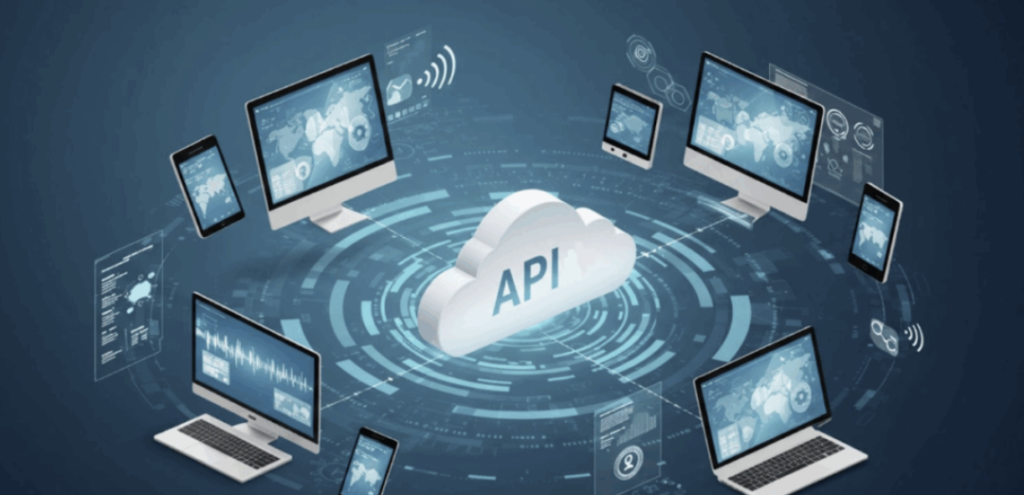
Take time to better understand your overall environment. Today’s ITSM platforms are sophisticated and interconnected ecosystems. HR service delivery, knowledge management, security operations, and customer service workflows may all share data models, scripts, or integrations with each other. Changes to one application can have ripple effects across the platform, and as such, developers should have a strong understanding of how their code will impact other parts of the platform. Understanding the big picture helps developers avoid creating conflicts with custom applications and future platform capabilities.
Refrain from cutting corners when it comes to development best practices. While low code tools have simplified software development, ITSM platforms are still software that requires sound development practices. Code reviews, automated tests, change management, and segregated development environments are just a few examples of best practices that can help prevent errors and architectural inconsistencies from being introduced into the production environment. Under business pressure, IT teams will sometimes skip these steps to accelerate delivery. However, this can introduce technical debt that must be managed down the road.
Using AI Without Increasing Technical Debt
Implement tools and processes that allow IT leaders to measure platform health and catch risk areas early. Whether these are periodic platform health assessments, code analysis tools, or monitoring for environmental drift, visibility into the platform can help organizations stop technical debt before it requires major cleanup.
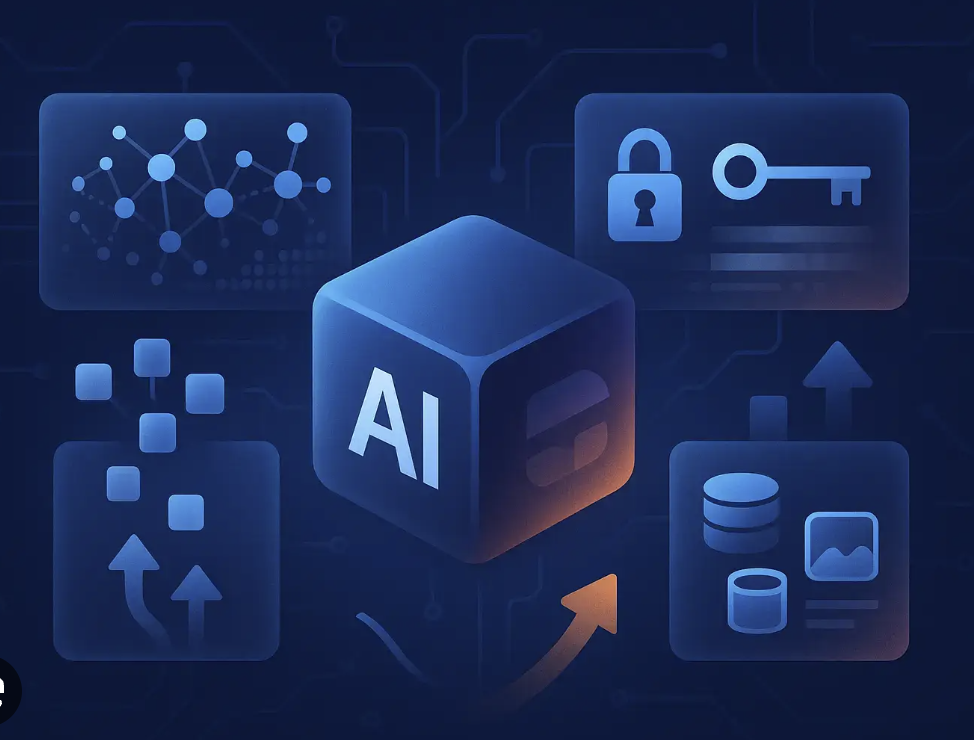
Consider AI-powered tools with the appropriate level of governance and validation. As AI driven development tools become more mainstream, organizations will face new decisions about technical debt. AI has the potential to help organizations configure and develop on platforms faster than ever before. However, it also has the potential to create poorly governed development processes if not managed properly. Maintaining architectural guardrails and thorough validation processes will become even more important as AI assisted development becomes widely adopted.

Platform Governance Is a Business Strategy
The challenge with technical debt isn’t purely technical, it can be an organizational challenge as well. Business stakeholders are rarely concerned about long-term maintenance impacts when they request new capabilities. Platform teams are responsible for not only meeting the business needs, but also maintaining the platform over time.
Successful platform teams will find ways to communicate the growing risks of technical debt to business stakeholders. When teams introduce technical debt into the platform, upgrades take longer, it becomes harder to innovate, and operational costs increase. Business stakeholders should care about platform health because it directly impacts their ability to move fast and keep costs under control. Building this understanding can empower IT leaders to proactively manage this issue.
As the market continues to grow and platforms like ServiceNow expand and evolve into enterprise workflow hubs, effective platform management will become more important. Platform governance and architectural integrity will be strategic considerations that can empower organizations to scale their digital operations into the future. Keeping the ITSM platform healthy isn’t about slowing down your teams, it’s about avoiding the unrestricted growth of technical debt so you can move fast and remain agile.


About the Author
Ron Browning is the CEO and Co-Founder of Dyna Software, helping enterprises to manage their ServiceNow platforms. Ron has worked with some of the largest ServiceNow implementations in the world, helping companies stay on top of technical debt and maintain their upgrade readiness.