
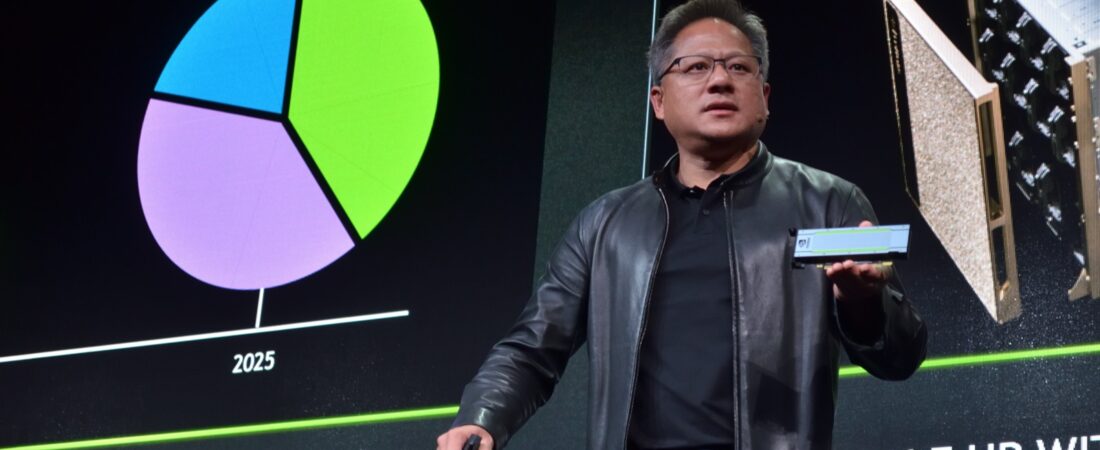
NVIDIA’s board has returned Jensen Huang to the roles of president, chief executive officer and board director, ending a brief leadership transition at a company whose accelerated-computing platforms are central to many enterprise AI infrastructure plans.
NVIDIA (Nasdaq: NVDA) said Huang’s reinstatement took effect immediately. The board voted unanimously after discussions and meetings with Huang, concluding that he had demonstrated the candor and leadership ability needed to lead the company.
The action restores the founder-led management structure that enterprise customers, cloud providers and hardware partners have worked with as they plan AI computing capacity and software deployments. It also returns Huang to the board while an independent board committee continues its investigation into recent reporting that he had been the target of a foreign intelligence effort.
Huang resigned as CEO and director on Nov. 12. During the transition, Executive Vice President and Chief Financial Officer Colette Kress served as interim CEO while retaining her finance responsibilities. NVIDIA said Kress will continue as CFO, and Harvey C. Jones will remain chair of the board.
“The Board believes Jensen is the right person to lead NVIDIA, and that his reinstatement is in the best interests of our stockholders, employees, partners and customers,” Jones said in the company’s statement. “We have every confidence in Jensen and look forward to working with him as he resumes his leadership of the Company.”
For enterprise technology buyers, the decision reduces immediate uncertainty around executive control at a supplier that has become important to AI training, inference and data-center expansion plans. NVIDIA did not introduce a product or revise its technology roadmap in its statement. Its earlier transition notice said customer commitments and the product roadmap would continue without interruption under Kress and the leadership team.
That continuity matters because enterprise AI projects and data-center capacity plans can extend well beyond a single budgeting cycle. NVIDIA did not identify changes to planned products, customer commitments or its technology roadmap as part of Huang’s return.
The reappointment does not end the governance measures NVIDIA has outlined. The company said its committee of independent directors will continue its investigation through completion, with Huang’s support and cooperation. The board also formed a National Security and Export Control Committee of independent directors to oversee trade-compliance and national-security risks.
NVIDIA is searching for a chief compliance officer to oversee compliance across the company and report to the Nominating and Corporate Governance Committee. The company said it will continue to cooperate with government investigations and inquiries.
Huang said he was honored to return and thanked the board, Kress, the executive staff, employees, shareholders and partners. The return places NVIDIA’s established executive leadership back at the center of decisions affecting enterprise customers while retaining additional board oversight.
For enterprises comparing accelerated-computing suppliers with established, legacy infrastructure vendors, the immediate change is continuity rather than a strategic reset. NVIDIA’s customers retain a familiar executive leadership structure and stated technology-roadmap focus as the company adds compliance and national-security governance around its business. The board’s ongoing oversight remains an important part of that continuity.